
Cultural beliefs and practices surrounding wisdom teeth vary widely and reflect each society’s values and traditions. In many cultures, the emergence of wisdom teeth symbolizes a significant shift into adulthood, often celebrated through rituals that acknowledge new responsibilities. Extraction practices differ; Western methods focus on technological efficiency, while some Asian and African cultures incorporate holistic approaches and community involvement. Rituals such as blessings and communal gatherings reinforce familial bonds and provide emotional support during recovery. Understanding these diverse cultural perspectives highlights not just dental health but also the intersection of tradition and personal growth. Explore deeper into the richness of these customs.
Historical Perspectives on Wisdom Teeth
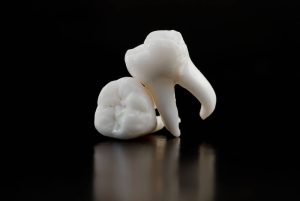 Throughout history, people have grappled with the significance of wisdom teeth, or third molars, often viewing them as symbols of maturity and passage into adulthood. Most adults have four wisdom teeth, one located in each quadrant of the mouth. In the domain of dental archaeology, researchers have unearthed remains that shed light on historical dentistry practices surrounding these oft-maligned molars. Ancient cultures employed various extraction techniques, reflecting a blend of necessity and a rudimentary understanding of oral health.
As you explore these practices, you’ll notice that wisdom teeth extraction wasn’t always a common rite of passage. In some societies, their presence was accepted, and individuals lived with them into old age. Conversely, many early dentists recognized the complications linked to impacted wisdom teeth and acted to alleviate pain and prevent infection.
You might find it fascinating that evidence from archaeological sites suggests that ancient populations likely had healthier jaws than many today, potentially minimizing the need for extractions. Dental tools made of bone or stone highlight the resourcefulness of early practitioners, who laid the groundwork for modern dentistry. This historical context reveals that wisdom teeth, while often overlooked today, held significant implications for oral health and community practices throughout different eras.
Anatomy and Development of Wisdom Teeth
Wisdom teeth, also known as third molars, are the final set of teeth to develop in the human mouth. Their journey begins deep within the jawbone during the teenage years, with most people experiencing their emergence between the ages of 17 and 25. This developmental process is intricate, involving several stages from the formation of the tooth bud to the eventual eruption through the gum tissue.
Anatomically, wisdom teeth share similarities with other molars but also possess distinct characteristics. They typically have a larger root system, which can complicate their removal. The crown of a wisdom tooth is more angular, and the roots are often longer and more curved compared to other molars. These features can make wisdom teeth more challenging to extract, especially if they become impacted.
Understanding the anatomy and development of wisdom teeth provides insight into why they can cause issues for some individuals. As these teeth grow, they may not have enough space to emerge properly, leading to impaction and potential complications. This knowledge underscores the importance of monitoring the development of wisdom teeth and seeking professional advice from a dentist or oral surgeon when necessary.
Clinical Significance of Wisdom Teeth
The clinical significance of wisdom teeth has long been a topic of debate among dental professionals. On one hand, impacted wisdom teeth can lead to a host of problems, including pain, infection, and damage to nearby teeth and bone. When wisdom teeth do not have enough room to erupt properly, they can become trapped beneath the gum line, causing discomfort and potential oral health issues.
Impacted wisdom teeth can also contribute to tooth decay and gum disease. Their position at the back of the mouth makes them difficult to clean, increasing the risk of cavities and periodontal problems. Additionally, improperly aligned wisdom teeth can rub against other teeth, causing wear and tear that may necessitate further dental intervention.
However, some research suggests that wisdom teeth might play a beneficial role in the overall health of the mouth. For instance, they may help distribute the forces of chewing more evenly, potentially reducing wear on other teeth. This perspective highlights the complexity of the issue and the need for individualized assessment by dental professionals.
Ultimately, the decision to remove wisdom teeth should be based on a thorough evaluation of the potential risks and benefits. Consulting with an experienced dentist or oral surgeon can help determine the best course of action for maintaining optimal oral health.
Symbolism of Wisdom in Various Cultures
In many cultures, wisdom teeth aren’t just dental features; they symbolize the shift into adulthood and the acquisition of wisdom.
This period often coincides with rites of passage that acknowledge aging and the responsibilities that come with it.
Understanding these cultural perspectives can shed light on how societies value wisdom and the aging process.
Wisdom Teeth Erupt as Rites
Many cultures view the emergence of wisdom teeth as a significant marker of maturation, symbolizing the change into adulthood and the acquisition of knowledge. You’ll find that various traditions incorporate the emergence of these teeth into rites of passage, emphasizing the connection between physical growth and spiritual enlightenment.
For instance, in some Indigenous cultures, reaching this developmental milestone aligns with ancient ceremonies that celebrate the individual’s journey into wisdom and responsibility.
In these rites, the wisdom teeth come to serve as more than just anatomical features; they represent a deeper understanding of life’s complexities. As individuals progress into adulthood, their wisdom teeth can signify the beginning of a new chapter filled with experiences and lessons.
You may notice that rituals surrounding these teeth often invite communities to reflect on shared values, beliefs, and responsibilities that come with maturity.
Through these practices, the emergence of wisdom teeth transcends mere biology, reminding you of the importance of embracing life’s stages. It fosters a collective acknowledgment of the wisdom gained from experiences, encouraging you to seek knowledge, respect traditions, and appreciate the journey toward spiritual enlightenment.
Cultural Perspectives on Aging
Wisdom teeth symbolize not only the journey into adulthood but also the broader cultural interpretations of aging and wisdom in various societies. Across the globe, different cultures embrace unique views on aging and the elderly, shaping their perspectives on life stages.
For instance, in many Asian cultures, aging is cherished; wisdom is seen as a significant asset, and elders are revered for their life experiences. This contrasts sharply with some Western cultures where youth is often idolized, leading to a perception that aging can be associated with decline.
Such contrasting views highlight how wisdom teeth are perceived based on cultural context. In cultures that celebrate aging, wisdom teeth may represent the progression to a more respected status, where the elderly perspectives hold value and authority. Conversely, in places where youth is prioritized, wisdom teeth could symbolize a mere rite of passage, without the accompanying respect typically granted to aging individuals.
Rituals Associated With Wisdom Teeth
Growing up, you might have heard stories or witnessed rituals surrounding the removal of wisdom teeth that reflect deeper cultural beliefs. These rituals often intertwine with notions of spiritual cleansing and serve as rites of passage, marking a shift into adulthood. In various cultures, the extraction of wisdom teeth carries significance beyond mere dental necessity; it aligns with ancient ceremonies celebrating growth and maturity.
Ritual Type Description Tooth BurialIn some cultures, individuals bury their extracted wisdom teeth, symbolizing a return to the earth and spiritual purification. Celebration Gatherings Families may hold gatherings post-surgery to celebrate the shift, reflecting a communal support system. Blessing CeremoniesCertain traditions involve rituals where the individual receives blessings to promote a healthy recovery, reinforcing their new status as adults.
These rituals often reflect the cultural significance placed on wisdom teeth removal, transforming a medical procedure into an opportunity for spiritual reaffirmation and community bonding. Embracing these practices can help highlight the intersection of dental health and cultural identity.
Regional Practices for Extracting Impacted Wisdom Teeth
Reflecting diverse cultural backgrounds, regional practices for wisdom teeth extraction vary markedly across the globe. Extracting mandibular wisdom teeth can present specific challenges due to their position and potential for impaction, which are addressed differently in various regions. In many Western countries, dental customs emphasize the use of advanced technology and sedation during extraction. Patients often undergo simple procedures in a clinical setting under general anesthesia, with recovery instructions tailored to minimize discomfort. This approach focuses on efficiency and scientific methods, ensuring a quick return to normal activities.
In contrast, some regions prioritize traditional procedures, influenced by local beliefs and practices. For instance, in certain Asian cultures, wisdom teeth removal may occur in conjunction with holistic health assessments. Practitioners may incorporate herbal remedies or alternative therapies to address post-extraction pain, reflecting a blend of modern and ancient practices.
In rural Africa, wisdom teeth extraction might be communal, with local healers or family members participating in the tooth-out procedure. Here, the emphasis lies on communal support and traditional knowledge passed down through generations.
Understanding these regional practices not only reveals the depth and diversity of dental customs but also highlights the unique ways societies navigate the often-discomforting rite of wisdom teeth extraction. Each approach underscores a spectrum of beliefs about health, well-being, and the body’s natural processes.
Wisdom Teeth and Orthodontic Issues
Wisdom teeth can significantly impact orthodontic health, particularly when they begin to erupt. As these third molars push through the gums, they can exert pressure on nearby teeth, leading to crowding and misalignment. This pressure can cause teeth to shift out of place, resulting in various orthodontic issues such as overbites, underbites, and crossbites.
In some cases, the angle at which wisdom teeth erupt can exacerbate these problems. If a wisdom tooth grows at an angle, it can push against the adjacent teeth, causing them to become crowded or misaligned. This can disrupt the alignment achieved through previous orthodontic treatments, necessitating further intervention.
To mitigate these potential issues, many dentists and oral surgeons recommend the proactive removal of wisdom teeth before they fully erupt. This preemptive approach can help prevent crowding and misalignment, protecting the integrity of the dental arch and reducing the risk of damage to surrounding teeth and bone.
It’s important to note that not everyone will experience orthodontic problems due to their wisdom teeth. Some individuals may have sufficient space in their jaws to accommodate these latecomers without any adverse effects. However, for those who do encounter issues, timely removal of wisdom teeth can be a crucial step in maintaining a healthy and well-aligned smile.
In conclusion, wisdom teeth are a multifaceted topic with significant implications for dental health. By understanding their anatomy, development, and potential impact on orthodontic health, dental professionals can provide more effective treatment and prevention strategies. Whether through monitoring, management, or removal, addressing the challenges posed by wisdom teeth is essential for ensuring long-term oral well-being.
Community Celebrations and Gatherings
Community celebrations surrounding wisdom teeth removal often include traditional rituals that vary widely across cultures. These events not only mark the significance of the procedure but also foster strong family support networks, reinforcing the bonds between relatives and friends.
Traditional Removal Rituals by Oral and Maxillofacial Surgeons
Often, cultures around the world celebrate the removal of wisdom teeth as a significant rite of passage, marking a shift into adulthood. Wisdom teeth are the last set of permanent teeth to emerge, which is why their removal is often marked by significant rituals. These traditional wisdom tooth removal rituals, known for their sacred extractions, often manifest in various ceremonial procedures that foster community bonding and personal reflection.
In some cultures, the extraction process isn’t just a medical necessity; it’s a festivity bridged with meaningful symbolism. Families and friends gather to support the individual undergoing the procedure, creating a strong sense of community. The rituals may include blessings, shared meals, or storytelling, reinforcing cultural identity and familial ties.
Additionally, certain practices surrounding the actual extraction may involve symbolic elements. For instance, some communities utilize herbs or chants to prepare for the “rite.” These components elevate the experience beyond the physical aspect of removing wisdom teeth, making it a spiritual metamorphosis into adulthood.
Such traditions highlight the importance of wisdom teeth removal as more than a simple dental procedure; it’s a community event steeped in historical reverence and personal significance. By engaging in these practices, individuals reinforce their connection to their heritage and celebrate their newfound independence.
Family Support Networks
The significance of wisdom teeth removal extends far beyond the individual, as it often catalyzes gatherings that bring family and friends together. You might find that these procedures spark a sense of community engagement, as loved ones rally around to provide support. Family support structures become essential during recovery; that’s when meal preparation, transport to appointments, and emotional reassurance come into play.
In many cultures, these moments are transformed into mini-celebrations, where families gather for meals, share stories, and even create light-hearted traditions aimed at easing post-surgery discomfort. This communal aspect fosters a strong sense of belonging and reinforces the bonds that tie family members together.
Moreover, engaging with your community during this time can create valuable networks. Local practices, such as organizing potluck dinners or casual gatherings, not only alleviate the challenges of recovery but also deepen interpersonal connections. These gatherings are a hallmark of the importance of shared experiences, particularly during pivotal life events such as wisdom teeth removal. In this way, the act of removing wisdom teeth becomes not just a medical procedure, but a focal point for family unity and cultural expression.
Cultural Beliefs and Practices About Dental Health and Aging
Many cultures hold specific beliefs about the link between dental health and aging, emphasizing that oral care reflects one’s overall well-being. You might notice how societies often equate robust dental hygiene routines with dynamism and longevity. In many traditions, individuals who maintain good dental health are perceived as living longer, healthier lives. These beliefs shape how people approach oral hygiene, influencing their habits and practices.
Dental health perceptions can drastically affect self-image and social standing within communities. In cultures where bright smiles symbolize success and dynamism, neglecting dental care may carry social stigma. You may also find that certain age groups are encouraged to prioritize dental health more than others, often viewing it as a reflection of their aging process.
Moreover, some cultures advocate preventive care, urging individuals to adopt thorough oral hygiene routines early in life to ward off issues later on. This proactive approach aligns with broader societal values that celebrate independence and individual responsibility. Ultimately, how you perceive dental health can profoundly impact not only your oral well-being but also your overall quality of life as you age.
Wisdom Teeth in Folklore and Myths
Cultural beliefs surrounding dental health extend beyond practices and hygiene to embrace folklore and myths, particularly regarding wisdom teeth. Historically, wisdom teeth have held significant folkloric symbolism in various cultures. They’ve often been associated with transitions into late teens or early adulthood, representing the acquisition of knowledge and life experience. Wisdom teeth grow between the ages of 17 and 25, and this growth has been woven into various myths and folklore, symbolizing the transition to adulthood. In many societies, the eruption of wisdom teeth marked a pivotal period in life, where one took on new responsibilities.
The mythic origins of wisdom teeth also provide insight into how different cultures interpreted their emergence. Ancient folklore often suggested that wisdom teeth appeared as a result of gaining wisdom or maturity, while some viewed their extraction as a necessary ritual to ward off negative consequences.
In certain traditions, having wisdom teeth was seen as necessary to gather knowledge from one’s ancestors, fostering a connection to one’s lineage. Conversely, losing these wisdom teeth could symbolize losing touch with this wisdom, illustrating the dualistic nature these myths embody. Understanding these cultural perspectives allows you to appreciate the historical significance of wisdom teeth beyond their physical presence, revealing the layers of meaning woven into our collective consciousness regarding dental health.
Modern Interpretations and Practices of Wisdom Teeth Removal
Wisdom teeth are now often viewed through a clinical lens, reflecting contemporary understandings of dental health and the importance of preventative care. Today, you might find that many dental professionals advocate for early assessment and proactive treatment. Contemporary interpretations emphasize the potential complications that can arise when wisdom teeth remain impacted, leading to infections, crowding, and other dental issues.
Emerging practices focus on individualized approaches, where dentists consider your unique oral environment before making recommendations. Instead of a one-size-fits-all removal regimen, the trend is toward personalized care. This means some patients may retain their wisdom teeth if they pose no immediate threat, while others might undergo extraction based on risk factors such as other teeth such as alignment and jaw structure.
Moreover, the integration of technology has revolutionized how you approach wisdom teeth management. Digital imaging techniques allow for precise assessments of how wisdom teeth may erupt or remain dormant, providing a clearer picture for informed decision-making. With these modern interpretations and emerging practices, you have more freedom to make choices tailored to your dental health needs, fostering a partnership with your dental care provider that prioritizes your well-being.