
Regarding toothfilling costs with insurance, you can expect coverage for about 80% of the expenses. Silver amalgam fillings typically fall within the range of $75 to $125 per filling with insurance, while composite resin fillings may cost around $100 to $150 per cavity filling costs less. Insurance benefits, however, can vary based on your plan and the filling material chosen. It’s essential to grasp the specifics of your coverage for effective financial planning. Understanding these details upfront can help you make informed decisions about dental care costs. For more detailed information, refer to WebMD’s guide on dental fillings.
Cost of Tooth Fillings Cost With Insurance
When considering tooth fillings with insurance, the cost coverage typically reduces out-of-pocket expenses dramatically, making dental care more affordable for policyholders. Dental insurance usually covers around 80% of tooth filling costs, greatly easing the financial burden.
For instance, with insurance coverage, silver amalgam, and fillings costs can range from CAD75-125 per filling, compared to CAD150-375 without insurance. Similarly, composite resin fillings with insurance typically cost approximately CAD100-150 per filling, while the cost without insurance can be as high as CAD185-425.
The insurance benefits for fillings can fluctuate based on the filling material used, the number of surfaces to be filled, and the specifics of the individual insurance plan.
Understanding the coverage details of your insurance plan for tooth fillings is essential for effective financial planning, enabling you to manage dental expenses efficiently and prioritize your oral health care needs.
Factors Influencing Tooth Filling Costs
The cost of dental fillings can vary based on several influencing factors, including the filling material chosen, the location of the filling in the mouth, and any complications that may arise during the procedure.
Insurance coverage plays a vital role in reducing out-of-pocket expenses for fillings. The location of the filling, especially in the back teeth, can impact the overall cost due to accessibility and complexity.
Complications like molar compression or hard-to-reach areas can increase the total cost of the filling procedure. The number of surfaces that need filling also contributes to the final price.
Factors such as the extent of decay, the specific cost factors involved in the procedure, and the impact of the filling material chosen all play a role in determining the overall cost of dental fillings.
Types of Filling Materials
When choosing a filling material for your tooth, you’ll encounter options like:
- Silver amalgam
- Composite resin
- Resin-ionomer cement
- Glass-ionomer cement
The cost of tooth fillings may vary depending on the material selected. Factors such as durability, lifespan, aesthetics, and appearance influence your decision.
To choose the most suitable filling material for your dental restoration needs, consider the trade-offs between durability, aesthetics, and cost.
Filling Material Options
Consider the various filling material options available for dental fillings, including silver amalgam, composite resin, gold alloys, porcelain, and glass ionomer.
- Material benefits:
- Composite resin and porcelain are deemed healthier due to their natural blend with teeth and durability.
- Gold and silver fillings may lead to teeth sensitivity, while composite fillings offer a balance of functionality and safety.
- Longevity comparison:
- Porcelain and composite fillings are known for their longevity and durability. Compared to silver amalgam or gold alloys, they provide lasting solutions for tooth restoration.
- Insurance coverage:
- Dental insurance generally covers around 50% of filling costs, particularly for healthier filling material options like composite resin and porcelain.
- This coverage can significantly reduce out-of-pocket expenses for individuals seeking these materials.
When selecting a filling material, weighing the material benefits, longevity comparison, insurance coverage, aesthetic considerations, and cost-effectiveness is essential to make an informed decision that aligns with your oral health needs and financial preferences.
Cost Variation Factors
Comparing the cost variation factors between different types of dental filling and materials, such as silver amalgam and composite resin, reveals significant differences in pricing with insurance coverage. Insurance coverage is essential in determining the out-of-pocket expenses for your dental fillings.
Due to their lower material costs, silver amalgam fillings are usually more cost-effective with insurance than composite resin fillings. However, composite resin fillings, while pricier, offer aesthetic benefits and may still be partially covered by insurance.
The condition of your tooth, such as the number of surfaces requiring filling and the location of the cavity, also influences the overall cost variation with insurance. Insurance limits may impact the coverage amount, affecting your final expenses.
Understanding the cost breakdown for each filling material and considering the coverage provided by your insurance can help you make an informed decision based on your budget and dental needs.
Durability and Lifespan
The durability and lifespan of various tooth-filling materials can vary considerably based on factors such as material composition and oral hygiene practices. Understanding the longevity of different materials is essential when considering tooth fillings.
Here is a comparison to help you make an informed decision:
- Composite resin fillings Typically last 5-10 years with proper care and maintenance.
- Porcelain fillings: Known for their durability and can last at least 15 years.
- Gold fillings: They have a lifespan of 15-30 years, making them a long-lasting option for dental work.
Durability factors such as wear resistance, strength, and corrosion resistance play a significant role in determining the lifespan of fillings. Material durability is essential in ensuring the longevity of your dental crowns between restorations.
When choosing a filling material, consider longevity considerations and consult your dentist to select the option that best suits your needs for a lasting and effective solution.
Aesthetics and Appearance
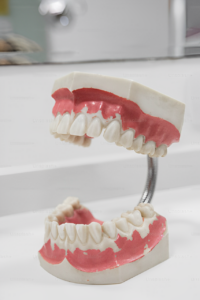 Composite resin fillings, porcelain fillings, gold alloy fillings, and glass ionomer fillings are some of the primary filling materials used in dentistry. Each offers unique aesthetic qualities.
Regarding aesthetics and appearance, the choice of filling material can significantly impact the overall look of your teeth. Composite resin fillings are favored for their natural appearance and ability to blend seamlessly with your tooth color, making them a popular choice for visible areas.
Porcelain fillings also provide a highly aesthetic option, offering a natural look that’s visually appealing.
On the other hand, gold alloy fillings, although durable, may not be as preferred due to their noticeable appearance.
Glass ionomer fillings, with their translucent look, are commonly used in cosmetic considerations for non-load-bearing areas.
Remember that the aesthetics of your filling can influence the cost, with more natural-looking options often commanding a higher price tag.
Consider discussing with your dentist to choose the best option for your smile’s visual appeal.
Insurance Coverage for Tooth Filling Cost
When seeking insurance coverage for fillings, it’s essential to confirm the specific details of your plan to understand the extent of coverage available for cavity treatments and temporary fillings.
To navigate insurance coverage efficiently, consider the following key points:
- Insurance Benefits and Limitations: Dental insurance typically covers around 50% of filling costs. It may also cover basic fillings as a medical necessity. Understanding your insurance plan can help reduce out-of-pocket expenses for fillings.
- Coverage Exceptions and Exclusions: Insurance coverage can vary based on the type of cavity-filling material used. Confirm the specific coverage for cavity fillings with your insurance provider to avoid unexpected costs.
- Claim Process and Reimbursement: Familiarize yourself with the claim process, including pre-authorization requirements. Utilizing in-network providers can often result in discounts and smoother reimbursement processes.
Be proactive in understanding your insurance coverage to make informed decisions regarding your dental fillings.
Comparing Filling Costs
Considering different types of dental fillings and their associated costs provides valuable insight into the financial implications when comparing dental filling costs and options.
When evaluating filling costs, factoring in insurance benefits is crucial to maximize cost savings. With dental insurance, patients can significantly reduce out-of-pocket expenses for both silver amalgam and composite resin fillings. On average, insurance coverage can make up for approximately 50% of the total cost of fillings, making treatment options more affordable.
Understanding the coverage details of your insurance plan is essential for effective financial planning. With insurance, the average tooth filling cost for silver amalgam fillings can drop to around $75-$125 per filling, while composite resin fillings may range from $100-$150 per filling. Considering these tooth-filling cost figures, individuals can make informed decisions about their dental care and budget accordingly.
Comparing filling costs with insurance coverage not only aids in selecting the most suitable treatment but also ensures that financial aspects are considered for a well-rounded approach to dental health.
Discounts and Payment Options
To explore potential cost-saving options for dental fillings, investigating discounts and payment alternatives can provide financial relief for individuals seeking affordable treatment options.
When considering tooth filling costs, here are some options to help you save money:
- Cash discounts: Some dental offices offer discounts for patients who pay in cash, providing an immediate cost-saving benefit.
- Payment plans: Dental practices may offer payment plans to help patients without insurance cover the cost of fillings over time, easing the financial burden.
- Multiple fillings discounts, Family treatment discounts: Inquire about potential discounts for numerous fillings or family treatments, as some practices offer reduced rates for these scenarios.
Additionally, exploring financing options such as flexible spending (FSAs) or health savings accounts (HSAs) can help cover expenses.
Be sure to check with community health centers or dental schools, as they may offer sliding scale payments or reduced fees for standard dental procedures, including tooth filling costs. These options can make tooth filling more accessible and affordable for individuals seeking quality treatment. Understanding the tooth filling cost at these facilities can help you plan and manage your dental care budget effectively.
Importance of Timely Fillings
Timely fillings are crucial in preventing further tooth decay and potential complications in your affected tooth. Understanding the Tooth Filling Cost can help you plan and address cavities promptly, saving you money in the long run. By taking care of cavities early, you can avoid higher Tooth Filling Costs associated with more severe dental issues and benefit from maintaining good oral health.
Timely fillings help prevent decay and contribute to overall dental health. Understanding the cost of tooth fillings and taking advantage of insurance-covered fillings can significantly reduce out-of-pocket costs. Knowing the cost of tooth fillings encourages you to seek necessary treatment without delay.
Ignoring the need for fillings may result in more extensive and costly dental procedures. Thus, prioritizing timely fillings guarantees oral health and helps manage tooth filling cost-effectively. Addressing cavities early can reduce the overall tooth-filling cost and prevent additional expenses. Being proactive about dental care ensures you benefit from insurance advantages while controlling tooth filling costs.
Regular dental check-ups are essential for identifying the need for fillings and understanding the Tooth Filling Cost. These check-ups, often covered by insurance, allow for prompt treatment and long-term cost savings. Awareness of the Tooth Filling Cost helps budget for proactive and affordable dental care. Remember, managing the Tooth Filling Cost now can lead to a healthier smile and financial benefits in the long run.